
The Brain’s Discounting Mechanism
Where'd You Go BernadetteThe brain’s adjustment to repeated conditions explains how both the Branch family and their neighbors normalize harm until a crisis makes it visible.
increasing Bearing strength in each event
 decreasing
Bearing strength in each eventdecreasingA Theory on the Shore

A Theory on the Shore
Elgin’s explanation
On an Antarctic shore, Elgin explains that the brain discounts familiar experiences, whether pleasant or painful. Adaptation allows people to notice new threats rather than remain overwhelmed by what has become ordinary.
A family example
He applies the idea to the leaks and damage at Straight Gate. Bee recognizes a parallel in how people stop noticing a smell in a familiar home.
A House Made Ordinary
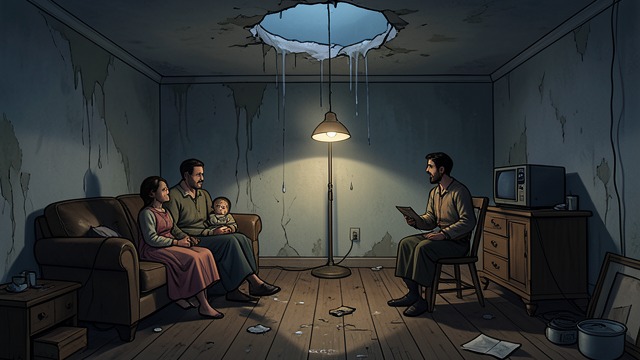
A House Made Ordinary
Adapting to decay
The family becomes accustomed to water stains, holes, and closed-off rooms. Each practical workaround lowers the urgency of repairing the house.
The cost of adjustment
What feels manageable inside the family looks alarming to Dr. Janelle Kurtz. The difference reveals that endurance can conceal a serious problem rather than solve it.
Distress Becomes Background
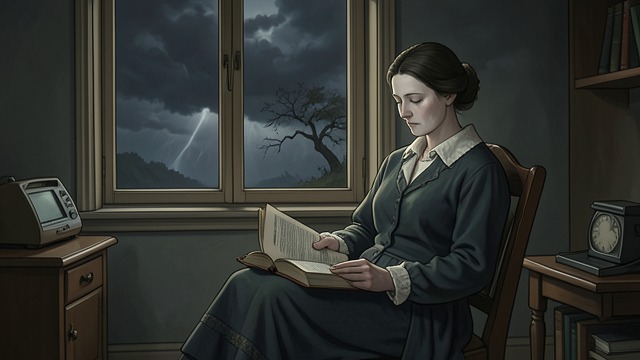
Distress Becomes Background
Repeated anxiety
Bernadette experiences insomnia, fear of ordinary interactions, and spiraling thoughts. Because these difficulties persist, the family adjusts around them instead of addressing their causes.
A hidden threshold
The adaptation delays intervention and makes the crisis seem sudden when it finally becomes visible. The novel suggests that familiar suffering can be mistaken for personality or routine.
A Sudden Public Crisis

A Sudden Public Crisis
The familiar hill changes
The blackberries and hillside had become part of the neighborhood landscape, even as they carried risks. Heavy rain and removal of the vines turn that neglected condition into immediate destruction.
Consequences surface
The mudslide forces both families and the school to confront what daily adjustment had obscured. What had been treated as an irritant becomes a danger with lasting consequences.
Recognizing a New Normal
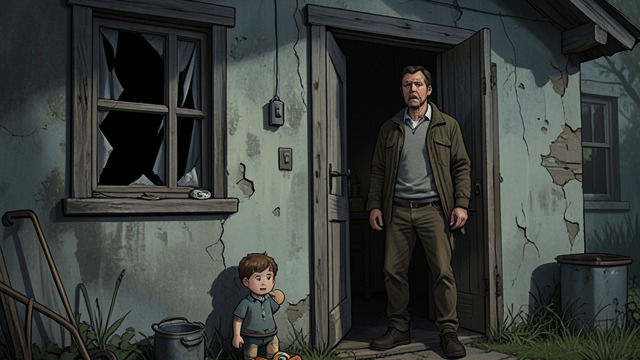
Recognizing a New Normal
Naming what was hidden
Elgin acknowledges that the family had discounted Straight Gate’s damage and Bernadette’s distress. He also recognizes that Bee’s grief cannot simply be made to disappear through distraction.
A chance to respond
Understanding the mechanism does not repair the house or resolve the family’s losses. It does give Elgin and Bee language for noticing conditions before they become invisible through repetition.
During Bee and Elgin’s Antarctic voyage
During the family’s years at Straight Gate
In the years before the story opens
During the December fundraiser landslide
After Bee and Elgin reconcile in Antarctica
